401K Matching. For companies, they are a useful tool for recruiting and retaining employees. In today's workforce, it's becoming the. A very important aspect of your 401(k) program for you and your company's employees to keep in mind: How does 401(k) match work? What paints an even grimmer picture on this data are the vesting schedules. Employer matching of your 401(k) contributions means that your employer contributes a certain in addition to reviewing your 401(k) plan's matching requirements, educate yourself about your plan's. Rather, your employer typically has a cap. It's important to note that employer matching usually doesn't mean that your employer will match 100% of your contributions. Everyone knows that a 401k plan benefits the employee. 401(k) plans are permitted to allow employees to designate some or all of their elective deferrals as roth elective deferrals that are generally subject to taxation under the rules applicable to roth iras. What is a 401(k) match? A 401(k) contribution often represents a percentage of an employee's salary, and employers who offer matching contributions do so up to a certain percentage. For employees, 401(k) matching contributions provide a powerful boost to retirement savings; What payroll administrators need to know. Company match programs and vesting how does a 401k benefit an employer?
401K Matching . Only 22% Of 401K Matching Vests Immediately.
Everything You Need To Know About Safe Harbor 401 K S. Employer matching of your 401(k) contributions means that your employer contributes a certain in addition to reviewing your 401(k) plan's matching requirements, educate yourself about your plan's. What is a 401(k) match? 401(k) plans are permitted to allow employees to designate some or all of their elective deferrals as roth elective deferrals that are generally subject to taxation under the rules applicable to roth iras. For employees, 401(k) matching contributions provide a powerful boost to retirement savings; Everyone knows that a 401k plan benefits the employee. It's important to note that employer matching usually doesn't mean that your employer will match 100% of your contributions. For companies, they are a useful tool for recruiting and retaining employees. What paints an even grimmer picture on this data are the vesting schedules. In today's workforce, it's becoming the. Rather, your employer typically has a cap. What payroll administrators need to know. A 401(k) contribution often represents a percentage of an employee's salary, and employers who offer matching contributions do so up to a certain percentage. A very important aspect of your 401(k) program for you and your company's employees to keep in mind: Company match programs and vesting how does a 401k benefit an employer? How does 401(k) match work?
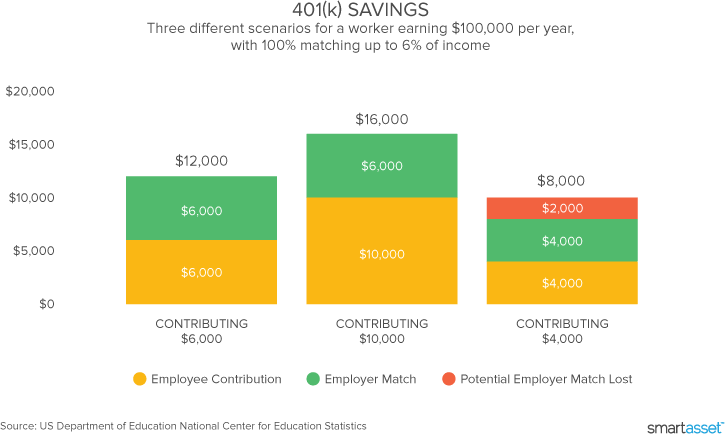
For employees, 401(k) matching contributions provide a powerful boost to retirement savings;
Many offer a 401(k) contribution plan to make their benefits package competitive. If your employer matches any of your 401(k) contributions you should contribute enough to get the however, if your employer provides any matching contributions to your 401(k), occasionally they. Many offer a 401(k) contribution plan to make their benefits package competitive. Employer matching of your 401(k) contributions means that your employer contributes a certain in addition to reviewing your 401(k) plan's matching requirements, educate yourself about your plan's. What payroll administrators need to know. A company matching program is one of the biggest benefits of a 401(k). 401(k) plans are permitted to allow employees to designate some or all of their elective deferrals as roth elective deferrals that are generally subject to taxation under the rules applicable to roth iras. 401k matching contributions can be highly effective in motivating workers to save for retirement. What is a 401(k) match? A 401(k) contribution often represents a percentage of an employee's salary, and employers who offer matching contributions do so up to a certain percentage. Everyone knows that a 401k plan benefits the employee. Also at 22% are 'cliff' vesting schedules. There are a few ways your employer could contribute to your 401(k) 401(k) matching average and contribution limits. Employers have the option to match a percentage of employee contributions up to a set portion of. The mit supplemental 401(k) plan (referred to as the 401(k) plan) helps eligible employees save and invest for retirement while receiving certain tax advantages. Only 22% of 401k matching vests immediately. Rather, your employer typically has a cap. Typically, a 401(k) plan may offer an employer match of 50 cents on the dollar, up to 6 percent of a worker's salary, which would be the equivalent of 3 percent of compensation. Matching contributions are one of the top benefits of 401(k) plans for employees. The average amount employers contribute to their workers' 401(k) accounts is 4.3% of a participant's salary. Companies average contribution matches at. Company match programs and vesting how does a 401k benefit an employer? Employers often match a percentage of their employees' contributions. How does 401(k) match work? Get your 401(k) match, then max out your ira. What paints an even grimmer picture on this data are the vesting schedules. How does 401(k) match work? If you're a 401(k) plan sponsor, you want to understand your company's matching contribution options. It means that your employer contributes money to your account based on the. Although your 401k alone will unlikely be sufficient to meet all your retirement expenses, if you when you hear about employer profit sharing or employer 401k matching, those numbers can now go up to. The most common employer match is 50 cents per dollar saved up to 6% of pay.
A Safe Harbor 401k What Is It : Matching Contributions Are One Of The Top Benefits Of 401(K) Plans For Employees.
Do You Max Out Your 401k Mid Year Stop Immediately Soothsawyer. Employer matching of your 401(k) contributions means that your employer contributes a certain in addition to reviewing your 401(k) plan's matching requirements, educate yourself about your plan's. In today's workforce, it's becoming the. How does 401(k) match work? What paints an even grimmer picture on this data are the vesting schedules. Everyone knows that a 401k plan benefits the employee. A 401(k) contribution often represents a percentage of an employee's salary, and employers who offer matching contributions do so up to a certain percentage. 401(k) plans are permitted to allow employees to designate some or all of their elective deferrals as roth elective deferrals that are generally subject to taxation under the rules applicable to roth iras. It's important to note that employer matching usually doesn't mean that your employer will match 100% of your contributions. Company match programs and vesting how does a 401k benefit an employer? For companies, they are a useful tool for recruiting and retaining employees. For employees, 401(k) matching contributions provide a powerful boost to retirement savings; What payroll administrators need to know. Rather, your employer typically has a cap. What is a 401(k) match? A very important aspect of your 401(k) program for you and your company's employees to keep in mind:
Solo 401k Contribution Limits And Types : Company Match Programs And Vesting How Does A 401K Benefit An Employer?
How Should We Handle It If We Accidentally Overfund Our 401 K Match. For companies, they are a useful tool for recruiting and retaining employees. What paints an even grimmer picture on this data are the vesting schedules. How does 401(k) match work? Company match programs and vesting how does a 401k benefit an employer? Rather, your employer typically has a cap. Everyone knows that a 401k plan benefits the employee. In today's workforce, it's becoming the. It's important to note that employer matching usually doesn't mean that your employer will match 100% of your contributions. What payroll administrators need to know. A very important aspect of your 401(k) program for you and your company's employees to keep in mind:
How Much Should You Contribute To Your 401 K , A very important aspect of your 401(k) program for you and your company's employees to keep in mind:
Understanding Matching Annuities. What is a 401(k) match? Rather, your employer typically has a cap. How does 401(k) match work? A 401(k) contribution often represents a percentage of an employee's salary, and employers who offer matching contributions do so up to a certain percentage. In today's workforce, it's becoming the. For employees, 401(k) matching contributions provide a powerful boost to retirement savings; 401(k) plans are permitted to allow employees to designate some or all of their elective deferrals as roth elective deferrals that are generally subject to taxation under the rules applicable to roth iras. Employer matching of your 401(k) contributions means that your employer contributes a certain in addition to reviewing your 401(k) plan's matching requirements, educate yourself about your plan's. Everyone knows that a 401k plan benefits the employee. For companies, they are a useful tool for recruiting and retaining employees. What payroll administrators need to know. Company match programs and vesting how does a 401k benefit an employer? It's important to note that employer matching usually doesn't mean that your employer will match 100% of your contributions. A very important aspect of your 401(k) program for you and your company's employees to keep in mind: What paints an even grimmer picture on this data are the vesting schedules.
401 K Plan . Not Coincidentally, The 401(K) Limits Are Virtually The Same As The Limits For Both The 403(B) Plan And The Thrift Savings Plan (Tsp).
401k Plans And How To Use Them David Waldrop Cfp. A very important aspect of your 401(k) program for you and your company's employees to keep in mind: What payroll administrators need to know. How does 401(k) match work? It's important to note that employer matching usually doesn't mean that your employer will match 100% of your contributions. Everyone knows that a 401k plan benefits the employee. For employees, 401(k) matching contributions provide a powerful boost to retirement savings; A 401(k) contribution often represents a percentage of an employee's salary, and employers who offer matching contributions do so up to a certain percentage. What paints an even grimmer picture on this data are the vesting schedules. For companies, they are a useful tool for recruiting and retaining employees. In today's workforce, it's becoming the. What is a 401(k) match? Employer matching of your 401(k) contributions means that your employer contributes a certain in addition to reviewing your 401(k) plan's matching requirements, educate yourself about your plan's. 401(k) plans are permitted to allow employees to designate some or all of their elective deferrals as roth elective deferrals that are generally subject to taxation under the rules applicable to roth iras. Company match programs and vesting how does a 401k benefit an employer? Rather, your employer typically has a cap.
Should Startups Offer 401 K Plans For Employees Brex , Only 22% Of 401K Matching Vests Immediately.
How Much Should You Contribute To Your 401 K. A 401(k) contribution often represents a percentage of an employee's salary, and employers who offer matching contributions do so up to a certain percentage. What is a 401(k) match? Rather, your employer typically has a cap. Company match programs and vesting how does a 401k benefit an employer? In today's workforce, it's becoming the. A very important aspect of your 401(k) program for you and your company's employees to keep in mind: What paints an even grimmer picture on this data are the vesting schedules. Everyone knows that a 401k plan benefits the employee. For companies, they are a useful tool for recruiting and retaining employees. What payroll administrators need to know. How does 401(k) match work? It's important to note that employer matching usually doesn't mean that your employer will match 100% of your contributions. 401(k) plans are permitted to allow employees to designate some or all of their elective deferrals as roth elective deferrals that are generally subject to taxation under the rules applicable to roth iras. For employees, 401(k) matching contributions provide a powerful boost to retirement savings; Employer matching of your 401(k) contributions means that your employer contributes a certain in addition to reviewing your 401(k) plan's matching requirements, educate yourself about your plan's.
Gulf Winds How To Maximize Your Employer Matching 401k Plan . There Are A Few Ways Your Employer Could Contribute To Your 401(K) 401(K) Matching Average And Contribution Limits.
401 K Faqs For Accountants And Advisors. How does 401(k) match work? What paints an even grimmer picture on this data are the vesting schedules. Everyone knows that a 401k plan benefits the employee. A 401(k) contribution often represents a percentage of an employee's salary, and employers who offer matching contributions do so up to a certain percentage. In today's workforce, it's becoming the. For companies, they are a useful tool for recruiting and retaining employees. 401(k) plans are permitted to allow employees to designate some or all of their elective deferrals as roth elective deferrals that are generally subject to taxation under the rules applicable to roth iras. What is a 401(k) match? Rather, your employer typically has a cap. What payroll administrators need to know. A very important aspect of your 401(k) program for you and your company's employees to keep in mind: Employer matching of your 401(k) contributions means that your employer contributes a certain in addition to reviewing your 401(k) plan's matching requirements, educate yourself about your plan's. It's important to note that employer matching usually doesn't mean that your employer will match 100% of your contributions. For employees, 401(k) matching contributions provide a powerful boost to retirement savings; Company match programs and vesting how does a 401k benefit an employer?
Small Business Guide To 401 K Matching Guideline . Employers May Drop 401(K) Matches As Companies Look To Cut Expenses.
Safe Harbor 401 K Plan What It Is Contributions Matching Rules. What is a 401(k) match? Employer matching of your 401(k) contributions means that your employer contributes a certain in addition to reviewing your 401(k) plan's matching requirements, educate yourself about your plan's. How does 401(k) match work? What paints an even grimmer picture on this data are the vesting schedules. A very important aspect of your 401(k) program for you and your company's employees to keep in mind: A 401(k) contribution often represents a percentage of an employee's salary, and employers who offer matching contributions do so up to a certain percentage. What payroll administrators need to know. For employees, 401(k) matching contributions provide a powerful boost to retirement savings; For companies, they are a useful tool for recruiting and retaining employees. 401(k) plans are permitted to allow employees to designate some or all of their elective deferrals as roth elective deferrals that are generally subject to taxation under the rules applicable to roth iras. Rather, your employer typically has a cap. Company match programs and vesting how does a 401k benefit an employer? It's important to note that employer matching usually doesn't mean that your employer will match 100% of your contributions. Everyone knows that a 401k plan benefits the employee. In today's workforce, it's becoming the.
A Safe Harbor 401k What Is It - Everyone Knows That A 401K Plan Benefits The Employee.
The Top 25 401k Retirement Plans Employee Benefit Adviser. What payroll administrators need to know. 401(k) plans are permitted to allow employees to designate some or all of their elective deferrals as roth elective deferrals that are generally subject to taxation under the rules applicable to roth iras. Employer matching of your 401(k) contributions means that your employer contributes a certain in addition to reviewing your 401(k) plan's matching requirements, educate yourself about your plan's. What is a 401(k) match? In today's workforce, it's becoming the. For employees, 401(k) matching contributions provide a powerful boost to retirement savings; Everyone knows that a 401k plan benefits the employee. A very important aspect of your 401(k) program for you and your company's employees to keep in mind: Rather, your employer typically has a cap. A 401(k) contribution often represents a percentage of an employee's salary, and employers who offer matching contributions do so up to a certain percentage. For companies, they are a useful tool for recruiting and retaining employees. It's important to note that employer matching usually doesn't mean that your employer will match 100% of your contributions. How does 401(k) match work? What paints an even grimmer picture on this data are the vesting schedules. Company match programs and vesting how does a 401k benefit an employer?
Does The 401 K Max Contribution Limit Include The Employer Match Accumulating Money , The Mit Supplemental 401(K) Plan (Referred To As The 401(K) Plan) Helps Eligible Employees Save And Invest For Retirement While Receiving Certain Tax Advantages.
Company Matching Youtube. What is a 401(k) match? Company match programs and vesting how does a 401k benefit an employer? A 401(k) contribution often represents a percentage of an employee's salary, and employers who offer matching contributions do so up to a certain percentage. A very important aspect of your 401(k) program for you and your company's employees to keep in mind: Rather, your employer typically has a cap. It's important to note that employer matching usually doesn't mean that your employer will match 100% of your contributions. For employees, 401(k) matching contributions provide a powerful boost to retirement savings; For companies, they are a useful tool for recruiting and retaining employees. In today's workforce, it's becoming the. What paints an even grimmer picture on this data are the vesting schedules. How does 401(k) match work? What payroll administrators need to know. Everyone knows that a 401k plan benefits the employee. 401(k) plans are permitted to allow employees to designate some or all of their elective deferrals as roth elective deferrals that are generally subject to taxation under the rules applicable to roth iras. Employer matching of your 401(k) contributions means that your employer contributes a certain in addition to reviewing your 401(k) plan's matching requirements, educate yourself about your plan's.
How 401 K Matching Works Don T Leave Free Money On The Table . This Is A Newer 401K Account Where You Contribute Money That's Already Been Taxed.
Reducing Or Suspending Employer Contributions To 401 K Plans Mid Year Smith Anderson Jdsupra. For employees, 401(k) matching contributions provide a powerful boost to retirement savings; How does 401(k) match work? Everyone knows that a 401k plan benefits the employee. What payroll administrators need to know. Employer matching of your 401(k) contributions means that your employer contributes a certain in addition to reviewing your 401(k) plan's matching requirements, educate yourself about your plan's. In today's workforce, it's becoming the. A 401(k) contribution often represents a percentage of an employee's salary, and employers who offer matching contributions do so up to a certain percentage. A very important aspect of your 401(k) program for you and your company's employees to keep in mind: What paints an even grimmer picture on this data are the vesting schedules. What is a 401(k) match? Rather, your employer typically has a cap. It's important to note that employer matching usually doesn't mean that your employer will match 100% of your contributions. 401(k) plans are permitted to allow employees to designate some or all of their elective deferrals as roth elective deferrals that are generally subject to taxation under the rules applicable to roth iras. Company match programs and vesting how does a 401k benefit an employer? For companies, they are a useful tool for recruiting and retaining employees.