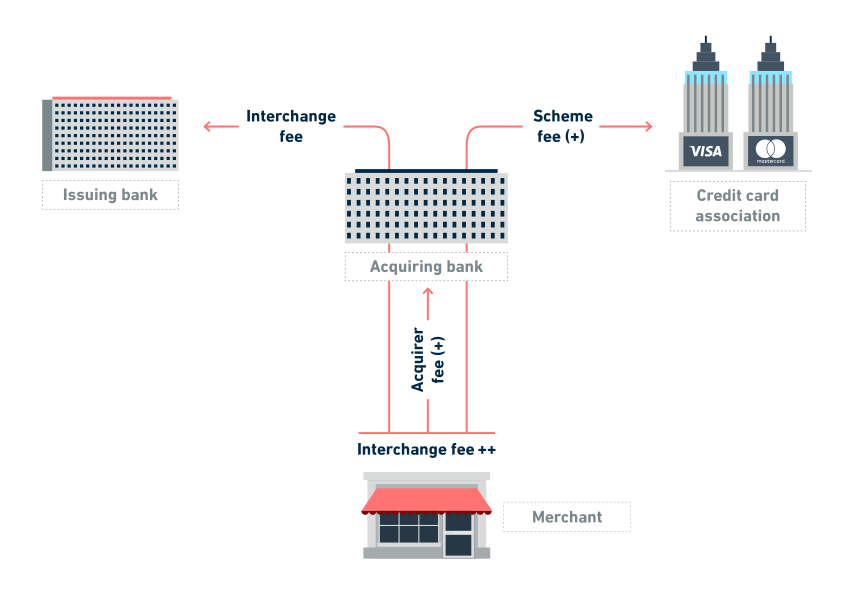
Credit Card Interchange Rates. A list of visa interchange rates and fees by card type: Whenever a credit card or debit card transaction is processed, funds are transferred from the issuing bank to the acquiring bank. Interchange being the card company rate and plus being the markup by the payment processor. Merchants do not pay interchange reimbursement fees—merchants negotiate and pay a merchant discount to their financial institution that is typically calculated as a percentage per transaction. While competition between the various credit card associations has helped to keep us interchange rates from getting too high, the general trend has been upward. Mastercard commercial credit card interchange rates. Additionally, the brand of a card will impact interchange qualification. Some credit card processors pad interchange, adding on to visa's and mastercard's published interchange rates without telling you. Usually for sales/services transactions it is a fee that a merchant's bank (the acquiring bank) pays a customer's bank (the issuing bank. Interchange rates are set by the credit card companies and revised periodically. What is an interchange fee? As of early 2020, the average interchange rate for a credit card transaction was 1.81% while a debit card transaction had a rate of 0.3%. The average interchange rate for a credit card payment is around 1.81%, while the typical interchange for debit cards is 0.3%. Learn about merchant credit card processing fees, interchange rates, and rules for partners. As noted above, interchange rates for credit cards are usually around six times higher than they are for debit cards.
Credit Card Interchange Rates , These Interchange Rates In Canada Are Set By Visa And Mastercard And Are Mandatory For All Credit Card Processors.
Credit Card Fees Credit Cards Accounting Services Finance Ttuhsc. Interchange being the card company rate and plus being the markup by the payment processor. Interchange rates are set by the credit card companies and revised periodically. Mastercard commercial credit card interchange rates. What is an interchange fee? Some credit card processors pad interchange, adding on to visa's and mastercard's published interchange rates without telling you. A list of visa interchange rates and fees by card type: As of early 2020, the average interchange rate for a credit card transaction was 1.81% while a debit card transaction had a rate of 0.3%. While competition between the various credit card associations has helped to keep us interchange rates from getting too high, the general trend has been upward. Additionally, the brand of a card will impact interchange qualification. As noted above, interchange rates for credit cards are usually around six times higher than they are for debit cards. The average interchange rate for a credit card payment is around 1.81%, while the typical interchange for debit cards is 0.3%. Whenever a credit card or debit card transaction is processed, funds are transferred from the issuing bank to the acquiring bank. Usually for sales/services transactions it is a fee that a merchant's bank (the acquiring bank) pays a customer's bank (the issuing bank. Learn about merchant credit card processing fees, interchange rates, and rules for partners. Merchants do not pay interchange reimbursement fees—merchants negotiate and pay a merchant discount to their financial institution that is typically calculated as a percentage per transaction.
Interchange rates are set by the credit card issuers and are nonnegotiable.
Interchange being the card company rate and plus being the markup by the payment processor. Interchange is the fee collected by credit card issuers on every transaction. Every merchant account provider structures their fees differently. Have you heard the term interchange fees pop up more and more in the media but are wondering what on earth it means? While the interchange rate may fluctuate depending on card type, the markup or plus fee (the processor's profit) is a fixed percentage and/or a per flat rate credit card processing means your restaurant is charged one straightforward flat rate for every card your restaurant comes across. The perks may, however, induce consumers to. Credit, debit, rewards, commercial, purchasing, international. Merchants do not pay interchange reimbursement fees—merchants negotiate and pay a merchant discount to their financial institution that is typically calculated as a percentage per transaction. As table 1 presents, some schemes switzerland's credit card msc rate is the highest (2.8%), but the rate does not fully reflect the interchange fee regulation that was implemented in. Interchange being the card company rate and plus being the markup by the payment processor. Confused by how your credit card fees are calculated? Interchange fees, also known as ic or irf, are the fees that acquirers the networks include visa®, mastercard®, discover®, and unionpay international and their rules ensure that acquirers pay card issuers for each credit or debit transaction you process. Learn more about how the rates are determined & updated for the u.s. Every day, visa connects thousands of financial institutions, hundreds of. Interchange rates are set by the credit card issuers and are nonnegotiable. Interchange and wholesale discount rates. Interchange is the fee credit card companies charge businesses to accept their cards. Debit cards with pins have lower rates than credit cards due to lower risk, and each credit card company will charge a different rate. In a tiered pricing model, the processor takes the 300 or so different interchange rates and lumps them into three buckets (or pricing tiers): You pay the brand for the convenience of accepting this payment below, we'll give a sampling of interchange rates for the most popular card brands. Unlike credit card interchange fees, debit card interchange fees are difficult to compare across the 13 countries. Rewards cards pay for the perks given to card holders by charging higher interchange rates to businesses. As of early 2020, the average interchange rate for a credit card transaction was 1.81% while a debit card transaction had a rate of 0.3%. Merchant account providers mark up the wholesale interchange rates and offer merchants credit card processing services. Interchange is the transfer rate exchange between the retailer's financial institution (an acquirer) and the cardholder's financial institution (an in today's market, consumers are opting more often to pay with credit and debit cards. What is an interchange fee? As noted above, interchange rates for credit cards are usually around six times higher than they are for debit cards. In this guide we cover the basics. No annual fee for the first year and $49 after. These rates are set by disocver each year and apply to every processor in the payments industry. These interchange rates in canada are set by visa and mastercard and are mandatory for all credit card processors.
Understanding Visa Mastercard Interchange Fees Whatablessing Explains Bryce Jackson Business Mentor Success Coach Prlog . 0% Balance Transfer Rate For 13 Months And Up To 55 Interest Free Days.
Inter Regional Interchange Fees The Eu Commission Accepts Commitments By Mastercard And Visa Osservatorio Permanente Applicazione Delle Regole Di Concorrenza. Usually for sales/services transactions it is a fee that a merchant's bank (the acquiring bank) pays a customer's bank (the issuing bank. Additionally, the brand of a card will impact interchange qualification. Learn about merchant credit card processing fees, interchange rates, and rules for partners. The average interchange rate for a credit card payment is around 1.81%, while the typical interchange for debit cards is 0.3%. A list of visa interchange rates and fees by card type: Whenever a credit card or debit card transaction is processed, funds are transferred from the issuing bank to the acquiring bank. Interchange being the card company rate and plus being the markup by the payment processor. As noted above, interchange rates for credit cards are usually around six times higher than they are for debit cards. What is an interchange fee? As of early 2020, the average interchange rate for a credit card transaction was 1.81% while a debit card transaction had a rate of 0.3%. While competition between the various credit card associations has helped to keep us interchange rates from getting too high, the general trend has been upward. Interchange rates are set by the credit card companies and revised periodically. Merchants do not pay interchange reimbursement fees—merchants negotiate and pay a merchant discount to their financial institution that is typically calculated as a percentage per transaction. Some credit card processors pad interchange, adding on to visa's and mastercard's published interchange rates without telling you. Mastercard commercial credit card interchange rates.
Interchange Fees How Much Do U S Merchants Pay , Interchange Refers To The Fee Collected By The Customer's Credit Card Bank (Discover, In This Instance) On Every Transaction.
Interchange Fees How Much Do U S Merchants Pay. Whenever a credit card or debit card transaction is processed, funds are transferred from the issuing bank to the acquiring bank. A list of visa interchange rates and fees by card type: As noted above, interchange rates for credit cards are usually around six times higher than they are for debit cards. Mastercard commercial credit card interchange rates. Interchange rates are set by the credit card companies and revised periodically. Learn about merchant credit card processing fees, interchange rates, and rules for partners. Interchange being the card company rate and plus being the markup by the payment processor. The average interchange rate for a credit card payment is around 1.81%, while the typical interchange for debit cards is 0.3%. Merchants do not pay interchange reimbursement fees—merchants negotiate and pay a merchant discount to their financial institution that is typically calculated as a percentage per transaction. While competition between the various credit card associations has helped to keep us interchange rates from getting too high, the general trend has been upward.
The Interchange Fee Rip Off , You pay the brand for the convenience of accepting this payment below, we'll give a sampling of interchange rates for the most popular card brands.
Hedgeye About Everything Credit Cards Lose Their Charge. As of early 2020, the average interchange rate for a credit card transaction was 1.81% while a debit card transaction had a rate of 0.3%. Whenever a credit card or debit card transaction is processed, funds are transferred from the issuing bank to the acquiring bank. Additionally, the brand of a card will impact interchange qualification. As noted above, interchange rates for credit cards are usually around six times higher than they are for debit cards. Learn about merchant credit card processing fees, interchange rates, and rules for partners. Merchants do not pay interchange reimbursement fees—merchants negotiate and pay a merchant discount to their financial institution that is typically calculated as a percentage per transaction. While competition between the various credit card associations has helped to keep us interchange rates from getting too high, the general trend has been upward. Interchange rates are set by the credit card companies and revised periodically. The average interchange rate for a credit card payment is around 1.81%, while the typical interchange for debit cards is 0.3%. Some credit card processors pad interchange, adding on to visa's and mastercard's published interchange rates without telling you. A list of visa interchange rates and fees by card type: Mastercard commercial credit card interchange rates. What is an interchange fee? Usually for sales/services transactions it is a fee that a merchant's bank (the acquiring bank) pays a customer's bank (the issuing bank. Interchange being the card company rate and plus being the markup by the payment processor.
A Simple Explanation Of Fees In The Payment Card Industry Richard Gendal Brown : In A Tiered Pricing Model, The Processor Takes The 300 Or So Different Interchange Rates And Lumps Them Into Three Buckets (Or Pricing Tiers):
Interchange Fees How Much Do U S Merchants Pay. As noted above, interchange rates for credit cards are usually around six times higher than they are for debit cards. Interchange being the card company rate and plus being the markup by the payment processor. Usually for sales/services transactions it is a fee that a merchant's bank (the acquiring bank) pays a customer's bank (the issuing bank. The average interchange rate for a credit card payment is around 1.81%, while the typical interchange for debit cards is 0.3%. Whenever a credit card or debit card transaction is processed, funds are transferred from the issuing bank to the acquiring bank. Merchants do not pay interchange reimbursement fees—merchants negotiate and pay a merchant discount to their financial institution that is typically calculated as a percentage per transaction. Learn about merchant credit card processing fees, interchange rates, and rules for partners. While competition between the various credit card associations has helped to keep us interchange rates from getting too high, the general trend has been upward. Interchange rates are set by the credit card companies and revised periodically. Some credit card processors pad interchange, adding on to visa's and mastercard's published interchange rates without telling you. What is an interchange fee? A list of visa interchange rates and fees by card type: Mastercard commercial credit card interchange rates. As of early 2020, the average interchange rate for a credit card transaction was 1.81% while a debit card transaction had a rate of 0.3%. Additionally, the brand of a card will impact interchange qualification.
Interchange Fee Wikipedia , What Is An Interchange Fee?
Report Visa Eyes Interchange Fee Revamp Pymnts Com. Interchange being the card company rate and plus being the markup by the payment processor. Whenever a credit card or debit card transaction is processed, funds are transferred from the issuing bank to the acquiring bank. Mastercard commercial credit card interchange rates. Additionally, the brand of a card will impact interchange qualification. The average interchange rate for a credit card payment is around 1.81%, while the typical interchange for debit cards is 0.3%. While competition between the various credit card associations has helped to keep us interchange rates from getting too high, the general trend has been upward. As of early 2020, the average interchange rate for a credit card transaction was 1.81% while a debit card transaction had a rate of 0.3%. Usually for sales/services transactions it is a fee that a merchant's bank (the acquiring bank) pays a customer's bank (the issuing bank. As noted above, interchange rates for credit cards are usually around six times higher than they are for debit cards. Some credit card processors pad interchange, adding on to visa's and mastercard's published interchange rates without telling you. A list of visa interchange rates and fees by card type: Merchants do not pay interchange reimbursement fees—merchants negotiate and pay a merchant discount to their financial institution that is typically calculated as a percentage per transaction. Interchange rates are set by the credit card companies and revised periodically. What is an interchange fee? Learn about merchant credit card processing fees, interchange rates, and rules for partners.
Should The Us Reform Interchange Fees On Credit Cards The Atlantic . The Interchange Rate — The Portion That Goes To The Bank That Issued The Customer's Card — Was 2.04 Percent + 10 Cents, Which Totaled $30.14.
How Credit Card Transaction Processing Works Steps Fees Participants. Merchants do not pay interchange reimbursement fees—merchants negotiate and pay a merchant discount to their financial institution that is typically calculated as a percentage per transaction. Interchange rates are set by the credit card companies and revised periodically. The average interchange rate for a credit card payment is around 1.81%, while the typical interchange for debit cards is 0.3%. Learn about merchant credit card processing fees, interchange rates, and rules for partners. Mastercard commercial credit card interchange rates. Whenever a credit card or debit card transaction is processed, funds are transferred from the issuing bank to the acquiring bank. While competition between the various credit card associations has helped to keep us interchange rates from getting too high, the general trend has been upward. A list of visa interchange rates and fees by card type: Additionally, the brand of a card will impact interchange qualification. Usually for sales/services transactions it is a fee that a merchant's bank (the acquiring bank) pays a customer's bank (the issuing bank. What is an interchange fee? Interchange being the card company rate and plus being the markup by the payment processor. As noted above, interchange rates for credit cards are usually around six times higher than they are for debit cards. As of early 2020, the average interchange rate for a credit card transaction was 1.81% while a debit card transaction had a rate of 0.3%. Some credit card processors pad interchange, adding on to visa's and mastercard's published interchange rates without telling you.
Understanding Visa Mastercard Interchange Fees Whatablessing Explains Bryce Jackson Business Mentor Success Coach Prlog - What Are Discover Interchange Rates?
Payment Card Fees Retailers And Issuers Are Still Battling Over Payment Card Fees Finance Economics The Economist. Some credit card processors pad interchange, adding on to visa's and mastercard's published interchange rates without telling you. Additionally, the brand of a card will impact interchange qualification. Merchants do not pay interchange reimbursement fees—merchants negotiate and pay a merchant discount to their financial institution that is typically calculated as a percentage per transaction. Interchange being the card company rate and plus being the markup by the payment processor. The average interchange rate for a credit card payment is around 1.81%, while the typical interchange for debit cards is 0.3%. Learn about merchant credit card processing fees, interchange rates, and rules for partners. A list of visa interchange rates and fees by card type: Whenever a credit card or debit card transaction is processed, funds are transferred from the issuing bank to the acquiring bank. Mastercard commercial credit card interchange rates. As noted above, interchange rates for credit cards are usually around six times higher than they are for debit cards. While competition between the various credit card associations has helped to keep us interchange rates from getting too high, the general trend has been upward. Interchange rates are set by the credit card companies and revised periodically. As of early 2020, the average interchange rate for a credit card transaction was 1.81% while a debit card transaction had a rate of 0.3%. Usually for sales/services transactions it is a fee that a merchant's bank (the acquiring bank) pays a customer's bank (the issuing bank. What is an interchange fee?
Banks Beware How People Pay Around The World - Interchange Fees, Also Known As Ic Or Irf, Are The Fees That Acquirers The Networks Include Visa®, Mastercard®, Discover®, And Unionpay International And Their Rules Ensure That Acquirers Pay Card Issuers For Each Credit Or Debit Transaction You Process.
Payment Card Processing Fees And Their Distribution Paiementor. Additionally, the brand of a card will impact interchange qualification. What is an interchange fee? A list of visa interchange rates and fees by card type: Learn about merchant credit card processing fees, interchange rates, and rules for partners. Whenever a credit card or debit card transaction is processed, funds are transferred from the issuing bank to the acquiring bank. The average interchange rate for a credit card payment is around 1.81%, while the typical interchange for debit cards is 0.3%. Merchants do not pay interchange reimbursement fees—merchants negotiate and pay a merchant discount to their financial institution that is typically calculated as a percentage per transaction. Usually for sales/services transactions it is a fee that a merchant's bank (the acquiring bank) pays a customer's bank (the issuing bank. As noted above, interchange rates for credit cards are usually around six times higher than they are for debit cards. Interchange being the card company rate and plus being the markup by the payment processor. Interchange rates are set by the credit card companies and revised periodically. As of early 2020, the average interchange rate for a credit card transaction was 1.81% while a debit card transaction had a rate of 0.3%. While competition between the various credit card associations has helped to keep us interchange rates from getting too high, the general trend has been upward. Some credit card processors pad interchange, adding on to visa's and mastercard's published interchange rates without telling you. Mastercard commercial credit card interchange rates.
Interchange Fees Increasing April 2020 Merchant Cost Consulting - Mastercard Interchange Rates Are The Transaction Fees Paid By Acquirers To Card Issuers.
Interchange Fees How Much Do U S Merchants Pay. Interchange being the card company rate and plus being the markup by the payment processor. Usually for sales/services transactions it is a fee that a merchant's bank (the acquiring bank) pays a customer's bank (the issuing bank. Learn about merchant credit card processing fees, interchange rates, and rules for partners. While competition between the various credit card associations has helped to keep us interchange rates from getting too high, the general trend has been upward. The average interchange rate for a credit card payment is around 1.81%, while the typical interchange for debit cards is 0.3%. As noted above, interchange rates for credit cards are usually around six times higher than they are for debit cards. As of early 2020, the average interchange rate for a credit card transaction was 1.81% while a debit card transaction had a rate of 0.3%. Some credit card processors pad interchange, adding on to visa's and mastercard's published interchange rates without telling you. What is an interchange fee? Whenever a credit card or debit card transaction is processed, funds are transferred from the issuing bank to the acquiring bank. Additionally, the brand of a card will impact interchange qualification. Merchants do not pay interchange reimbursement fees—merchants negotiate and pay a merchant discount to their financial institution that is typically calculated as a percentage per transaction. Interchange rates are set by the credit card companies and revised periodically. A list of visa interchange rates and fees by card type: Mastercard commercial credit card interchange rates.
Yes There Are Increases In Interchange Fees Seeking Alpha . Unlike Credit Card Interchange Fees, Debit Card Interchange Fees Are Difficult To Compare Across The 13 Countries.
Those Rising Falling Interchange Fees. As of early 2020, the average interchange rate for a credit card transaction was 1.81% while a debit card transaction had a rate of 0.3%. Additionally, the brand of a card will impact interchange qualification. What is an interchange fee? Merchants do not pay interchange reimbursement fees—merchants negotiate and pay a merchant discount to their financial institution that is typically calculated as a percentage per transaction. Learn about merchant credit card processing fees, interchange rates, and rules for partners. Whenever a credit card or debit card transaction is processed, funds are transferred from the issuing bank to the acquiring bank. A list of visa interchange rates and fees by card type: Interchange being the card company rate and plus being the markup by the payment processor. Mastercard commercial credit card interchange rates. Interchange rates are set by the credit card companies and revised periodically. The average interchange rate for a credit card payment is around 1.81%, while the typical interchange for debit cards is 0.3%. Usually for sales/services transactions it is a fee that a merchant's bank (the acquiring bank) pays a customer's bank (the issuing bank. As noted above, interchange rates for credit cards are usually around six times higher than they are for debit cards. Some credit card processors pad interchange, adding on to visa's and mastercard's published interchange rates without telling you. While competition between the various credit card associations has helped to keep us interchange rates from getting too high, the general trend has been upward.