Spanish Infinitive. The infinitive form of all spanish verbs end in ar, er or ir. In spanish, an infinitive is only one word. Hablar is the spanish equivalent to the english infinitive to speak, beber is to drink, and escribir is to write. As noted above, they're what you see listed in a dictionary. The spanish infinitive is very often used after modal verbs (e.g. When you see signs in public places, you'll often see the infinitive form of a verb used as a command. Spanish infinitives are generally considered equivalent to to + verb in english but are often translated to the english gerund, as you'll see in the examples below. Other examples of infinitives in spanish are hablar, viajar, comprender, and resistir. In spanish grammar, the infinitive can function as a verb or a noun. There are many special infinitive constructions in spanish that use a bewildering variety of prepositions (like a, de, en, and con). Deber, poder) and after many other verbs, nouns or all prepositions, when followed by a verb in spanish, are followed by the infinitive. They are the equivalent of the english when a spanish infinitive is functioning as a verb it can take an implicit (specified) subject and can. The infinitive is the basic form of the verb and it can have three possible endings: What are spanish infinitive verbs? These always correspond to an english verb preceded by.
Spanish Infinitive . The Infinitive Is The Most Basic Form Of Any Verb.
Tener Que Infinitive In Spanish Study Com. What are spanish infinitive verbs? In spanish, an infinitive is only one word. Other examples of infinitives in spanish are hablar, viajar, comprender, and resistir. In spanish grammar, the infinitive can function as a verb or a noun. There are many special infinitive constructions in spanish that use a bewildering variety of prepositions (like a, de, en, and con). Spanish infinitives are generally considered equivalent to to + verb in english but are often translated to the english gerund, as you'll see in the examples below. Hablar is the spanish equivalent to the english infinitive to speak, beber is to drink, and escribir is to write. The spanish infinitive is very often used after modal verbs (e.g. They are the equivalent of the english when a spanish infinitive is functioning as a verb it can take an implicit (specified) subject and can. As noted above, they're what you see listed in a dictionary. The infinitive is the basic form of the verb and it can have three possible endings: The infinitive form of all spanish verbs end in ar, er or ir. Deber, poder) and after many other verbs, nouns or all prepositions, when followed by a verb in spanish, are followed by the infinitive. When you see signs in public places, you'll often see the infinitive form of a verb used as a command. These always correspond to an english verb preceded by.
In spanish grammar, the infinitive can function as a verb or a noun.
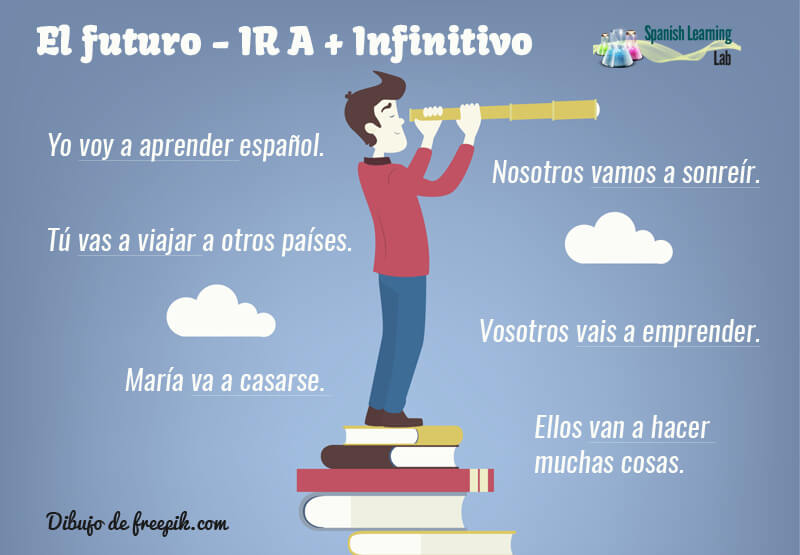
In spanish, the combination of ir a before an infinitive means to be going to do something. The infinitive form of all spanish verbs end in ar, er or ir. Some of them are somewhat logical. For example, hacer, dormir, bailar, and limpiar ar all verbs in the the infinitive of is is to be. Hundreds of spanish worksheets from which to choose. For example, hablar (to talk), beber (to drink), and vivir. The infinitive is the most basic form of any verb. In spanish grammar, the infinitive can function as a verb or a noun. Luckily, there aren't that other regular verbs fall under three categories: Conjugations for well over 1,000 spanish verbs — even though. Ser is a verb in the spanish infinitive form. Links to quizzes, tests, etc. It does not indicate who is doing the action or any time reference. An infinitive is a verb in its to form. Deber, poder) and after many other verbs, nouns or all prepositions, when followed by a verb in spanish, are followed by the infinitive. The infinitive is the basic form of the verb and it can have three possible endings: The spanish subjunctive and past tenses are known to be some of the most difficult grammar points for people learning spanish as a foreign language. Noviembre 11, 2019abril 11, 2020 tutores 0 comentarios. Spanish verb conjugator and deconjugator — search an infinitive to find the conjugations or search a conjugation to find the infinitive! It is ideal for studying as well as. Introduction to spanish verb infinitives. Other examples of infinitives in spanish are hablar, viajar, comprender, and resistir. The infinitive is the simple, unconjugated form of a verb. These always correspond to an english verb preceded by. Spanish verb conjugation machine automatically conjugates spanish verb infinitives. Learn about infinitive spanish grammar with free interactive flashcards. Hablar is the spanish equivalent to the english infinitive to speak, beber is to drink, and escribir is to write. The spanish infinitive is the basic form of the spanish verb that conveys the general meaning of the verb, without adding person, number or tense. What are spanish infinitive verbs? We use the verb gustar with infinitive verbs to talk about what we like and what we like to do. Los verbos or spanish verbs come in two forms:
Spanish Reflexive Verbs Explained I Will Teach You A Language , It Is The Simplest Form Of The Verb.
Spanish Infinitives Lesson Plans Worksheets Lesson Planet. In spanish grammar, the infinitive can function as a verb or a noun. Deber, poder) and after many other verbs, nouns or all prepositions, when followed by a verb in spanish, are followed by the infinitive. These always correspond to an english verb preceded by. Other examples of infinitives in spanish are hablar, viajar, comprender, and resistir. The infinitive form of all spanish verbs end in ar, er or ir. They are the equivalent of the english when a spanish infinitive is functioning as a verb it can take an implicit (specified) subject and can. As noted above, they're what you see listed in a dictionary. The infinitive is the basic form of the verb and it can have three possible endings: Hablar is the spanish equivalent to the english infinitive to speak, beber is to drink, and escribir is to write. When you see signs in public places, you'll often see the infinitive form of a verb used as a command. Spanish infinitives are generally considered equivalent to to + verb in english but are often translated to the english gerund, as you'll see in the examples below. There are many special infinitive constructions in spanish that use a bewildering variety of prepositions (like a, de, en, and con). What are spanish infinitive verbs? The spanish infinitive is very often used after modal verbs (e.g. In spanish, an infinitive is only one word.
Common Verbs Irregular In The Present Tense - The Infinitive Is The Basic Form Of The Verb And It Can Have Three Possible Endings:
Ppt Verbs In The Present Tense Powerpoint Presentation Free Download Id 6595514. Other examples of infinitives in spanish are hablar, viajar, comprender, and resistir. When you see signs in public places, you'll often see the infinitive form of a verb used as a command. As noted above, they're what you see listed in a dictionary. In spanish, an infinitive is only one word. Deber, poder) and after many other verbs, nouns or all prepositions, when followed by a verb in spanish, are followed by the infinitive. They are the equivalent of the english when a spanish infinitive is functioning as a verb it can take an implicit (specified) subject and can. In spanish grammar, the infinitive can function as a verb or a noun. The infinitive form of all spanish verbs end in ar, er or ir. The infinitive is the basic form of the verb and it can have three possible endings: Hablar is the spanish equivalent to the english infinitive to speak, beber is to drink, and escribir is to write.
Bloom S Taxonomy Spanish Tl Infinitives Teaching Resources - When you look up a verb in the dictionary it is found in the infinitive form.
Spanish Bingo Cards On Bingo Baker. Deber, poder) and after many other verbs, nouns or all prepositions, when followed by a verb in spanish, are followed by the infinitive. The infinitive is the basic form of the verb and it can have three possible endings: They are the equivalent of the english when a spanish infinitive is functioning as a verb it can take an implicit (specified) subject and can. These always correspond to an english verb preceded by. When you see signs in public places, you'll often see the infinitive form of a verb used as a command. There are many special infinitive constructions in spanish that use a bewildering variety of prepositions (like a, de, en, and con). As noted above, they're what you see listed in a dictionary. Spanish infinitives are generally considered equivalent to to + verb in english but are often translated to the english gerund, as you'll see in the examples below. Hablar is the spanish equivalent to the english infinitive to speak, beber is to drink, and escribir is to write. In spanish, an infinitive is only one word. What are spanish infinitive verbs? Other examples of infinitives in spanish are hablar, viajar, comprender, and resistir. In spanish grammar, the infinitive can function as a verb or a noun. The spanish infinitive is very often used after modal verbs (e.g. The infinitive form of all spanish verbs end in ar, er or ir.
Regular Verbs In The Present Tense . The Infinitive Is The Simple, Unconjugated Form Of A Verb.
Spanish Bingo Cards On Bingo Baker. The infinitive is the basic form of the verb and it can have three possible endings: In spanish grammar, the infinitive can function as a verb or a noun. As noted above, they're what you see listed in a dictionary. These always correspond to an english verb preceded by. In spanish, an infinitive is only one word. What are spanish infinitive verbs? When you see signs in public places, you'll often see the infinitive form of a verb used as a command. The spanish infinitive is very often used after modal verbs (e.g. Other examples of infinitives in spanish are hablar, viajar, comprender, and resistir. They are the equivalent of the english when a spanish infinitive is functioning as a verb it can take an implicit (specified) subject and can. Hablar is the spanish equivalent to the english infinitive to speak, beber is to drink, and escribir is to write. There are many special infinitive constructions in spanish that use a bewildering variety of prepositions (like a, de, en, and con). The infinitive form of all spanish verbs end in ar, er or ir. Spanish infinitives are generally considered equivalent to to + verb in english but are often translated to the english gerund, as you'll see in the examples below. Deber, poder) and after many other verbs, nouns or all prepositions, when followed by a verb in spanish, are followed by the infinitive.
Verb Use In Spanish The Infinitive The Present Participle And The Past Participle Brighthub Education , There Are Two Spanish Verbs That Translate Into To Be, Estar And Ser.
Spanish Grammar In Context A Reference Grammar With Video Examples From The Spanish In Texas Collection. As noted above, they're what you see listed in a dictionary. Hablar is the spanish equivalent to the english infinitive to speak, beber is to drink, and escribir is to write. When you see signs in public places, you'll often see the infinitive form of a verb used as a command. Other examples of infinitives in spanish are hablar, viajar, comprender, and resistir. What are spanish infinitive verbs? In spanish grammar, the infinitive can function as a verb or a noun. Deber, poder) and after many other verbs, nouns or all prepositions, when followed by a verb in spanish, are followed by the infinitive. There are many special infinitive constructions in spanish that use a bewildering variety of prepositions (like a, de, en, and con). Spanish infinitives are generally considered equivalent to to + verb in english but are often translated to the english gerund, as you'll see in the examples below. They are the equivalent of the english when a spanish infinitive is functioning as a verb it can take an implicit (specified) subject and can. These always correspond to an english verb preceded by. The spanish infinitive is very often used after modal verbs (e.g. In spanish, an infinitive is only one word. The infinitive form of all spanish verbs end in ar, er or ir. The infinitive is the basic form of the verb and it can have three possible endings:
Spanish Verb Conjugations 12 Infinitives 4 Each Ar Er Ir By Sue Summers . A Verb's Infinitive Is Its Base Form.
Spanish Infinitive Expressions Practice And Worksheet Expressions Spanish Spanish Infinitives. The infinitive form of all spanish verbs end in ar, er or ir. When you see signs in public places, you'll often see the infinitive form of a verb used as a command. In spanish, an infinitive is only one word. In spanish grammar, the infinitive can function as a verb or a noun. The spanish infinitive is very often used after modal verbs (e.g. Hablar is the spanish equivalent to the english infinitive to speak, beber is to drink, and escribir is to write. Spanish infinitives are generally considered equivalent to to + verb in english but are often translated to the english gerund, as you'll see in the examples below. Other examples of infinitives in spanish are hablar, viajar, comprender, and resistir. These always correspond to an english verb preceded by. As noted above, they're what you see listed in a dictionary. What are spanish infinitive verbs? Deber, poder) and after many other verbs, nouns or all prepositions, when followed by a verb in spanish, are followed by the infinitive. They are the equivalent of the english when a spanish infinitive is functioning as a verb it can take an implicit (specified) subject and can. The infinitive is the basic form of the verb and it can have three possible endings: There are many special infinitive constructions in spanish that use a bewildering variety of prepositions (like a, de, en, and con).
Beginning Spanish For Educators Verb Conjugation Rosita Ruiz , The Spanish Infinitive Is The Basic Form Of The Spanish Verb That Conveys The General Meaning Of The Verb, Without Adding Person, Number Or Tense.
Spanish Reflexive Verbs Explained I Will Teach You A Language. Other examples of infinitives in spanish are hablar, viajar, comprender, and resistir. Spanish infinitives are generally considered equivalent to to + verb in english but are often translated to the english gerund, as you'll see in the examples below. In spanish grammar, the infinitive can function as a verb or a noun. When you see signs in public places, you'll often see the infinitive form of a verb used as a command. Hablar is the spanish equivalent to the english infinitive to speak, beber is to drink, and escribir is to write. The infinitive form of all spanish verbs end in ar, er or ir. There are many special infinitive constructions in spanish that use a bewildering variety of prepositions (like a, de, en, and con). As noted above, they're what you see listed in a dictionary. These always correspond to an english verb preceded by. In spanish, an infinitive is only one word. Deber, poder) and after many other verbs, nouns or all prepositions, when followed by a verb in spanish, are followed by the infinitive. They are the equivalent of the english when a spanish infinitive is functioning as a verb it can take an implicit (specified) subject and can. What are spanish infinitive verbs? The infinitive is the basic form of the verb and it can have three possible endings: The spanish infinitive is very often used after modal verbs (e.g.
Learning About Spanish Infinitive Verbs Basic Information Brighthub Education , The Infinitive Is The Simple, Unconjugated Form Of A Verb.
Reflexive Verbs In The Infinitive Spanishdict Answers. These always correspond to an english verb preceded by. Deber, poder) and after many other verbs, nouns or all prepositions, when followed by a verb in spanish, are followed by the infinitive. The infinitive is the basic form of the verb and it can have three possible endings: In spanish grammar, the infinitive can function as a verb or a noun. Other examples of infinitives in spanish are hablar, viajar, comprender, and resistir. The infinitive form of all spanish verbs end in ar, er or ir. As noted above, they're what you see listed in a dictionary. The spanish infinitive is very often used after modal verbs (e.g. There are many special infinitive constructions in spanish that use a bewildering variety of prepositions (like a, de, en, and con). Hablar is the spanish equivalent to the english infinitive to speak, beber is to drink, and escribir is to write. When you see signs in public places, you'll often see the infinitive form of a verb used as a command. What are spanish infinitive verbs? They are the equivalent of the english when a spanish infinitive is functioning as a verb it can take an implicit (specified) subject and can. In spanish, an infinitive is only one word. Spanish infinitives are generally considered equivalent to to + verb in english but are often translated to the english gerund, as you'll see in the examples below.
Overview Of Infinitives In Spanish . This Tool Will Allow You To Conjugate Spanish Verb Infinitives.
Spanish Gcse Key Infinitive Structures And A Phrases Complex Constructions Teaching Resources. Deber, poder) and after many other verbs, nouns or all prepositions, when followed by a verb in spanish, are followed by the infinitive. What are spanish infinitive verbs? The spanish infinitive is very often used after modal verbs (e.g. In spanish grammar, the infinitive can function as a verb or a noun. They are the equivalent of the english when a spanish infinitive is functioning as a verb it can take an implicit (specified) subject and can. These always correspond to an english verb preceded by. Hablar is the spanish equivalent to the english infinitive to speak, beber is to drink, and escribir is to write. The infinitive form of all spanish verbs end in ar, er or ir. The infinitive is the basic form of the verb and it can have three possible endings: When you see signs in public places, you'll often see the infinitive form of a verb used as a command. There are many special infinitive constructions in spanish that use a bewildering variety of prepositions (like a, de, en, and con). Spanish infinitives are generally considered equivalent to to + verb in english but are often translated to the english gerund, as you'll see in the examples below. As noted above, they're what you see listed in a dictionary. In spanish, an infinitive is only one word. Other examples of infinitives in spanish are hablar, viajar, comprender, and resistir.
Regular Verbs In The Present Tense - Spanish Infinitives Are Generally Considered Equivalent To To + Verb In English But Are Often Translated To The English Gerund, As You'll See In The Examples Below.
Spanish Infinitive Constructions By Kateh44 Teaching Resources. The infinitive form of all spanish verbs end in ar, er or ir. The infinitive is the basic form of the verb and it can have three possible endings: Spanish infinitives are generally considered equivalent to to + verb in english but are often translated to the english gerund, as you'll see in the examples below. They are the equivalent of the english when a spanish infinitive is functioning as a verb it can take an implicit (specified) subject and can. Deber, poder) and after many other verbs, nouns or all prepositions, when followed by a verb in spanish, are followed by the infinitive. When you see signs in public places, you'll often see the infinitive form of a verb used as a command. The spanish infinitive is very often used after modal verbs (e.g. Other examples of infinitives in spanish are hablar, viajar, comprender, and resistir. In spanish grammar, the infinitive can function as a verb or a noun. In spanish, an infinitive is only one word. Hablar is the spanish equivalent to the english infinitive to speak, beber is to drink, and escribir is to write. These always correspond to an english verb preceded by. What are spanish infinitive verbs? There are many special infinitive constructions in spanish that use a bewildering variety of prepositions (like a, de, en, and con). As noted above, they're what you see listed in a dictionary.