Structure Of The Solar System. But out there are comets, asteroids and more rocky, frozen objects. So we learned about the formation of the milky way, which is the galaxy that we live in. Our solar system contains the sun and everything that orbits it. Te solar system consists of the sun; Our solar system is a very small part of the universe. The eight official planets, at least three dwarf planets, 130+ satellites and a large number of small bodies. But where in that galaxy do we live? Learn how our solar system formed, how it was discovered and the names of the planets, dwarf planets and regions of space that orbit our sun. Our solar system formed about 4.5 billion years ago from a dense cloud of interstellar gas and dust. We live on a planet that orbits a. The sun, the earth's star, is the largest object in the solar system. Our solar system is a vast place, with lots of mostly empty space between planets. The solar system consists of the sun, eight planets and their moons, three dwarf planets (including pluto, eris and ceres) and of small bodies called asteroids, comets, etc. The solar system is the gravitationally bound system of the sun and the objects that orbit it, either directly or indirectly. Of the objects that orbit the sun directly, the largest are the eight planets.
Structure Of The Solar System . General Astronomy > The Solar System.
Planet Geometric Star On Space Structure Of Solar System Vecto Stock Vector Art More Images Of 2015 Istock. The solar system is the gravitationally bound system of the sun and the objects that orbit it, either directly or indirectly. The solar system consists of the sun, eight planets and their moons, three dwarf planets (including pluto, eris and ceres) and of small bodies called asteroids, comets, etc. So we learned about the formation of the milky way, which is the galaxy that we live in. Our solar system is a very small part of the universe. The sun, the earth's star, is the largest object in the solar system. The eight official planets, at least three dwarf planets, 130+ satellites and a large number of small bodies. We live on a planet that orbits a. Our solar system contains the sun and everything that orbits it. Learn how our solar system formed, how it was discovered and the names of the planets, dwarf planets and regions of space that orbit our sun. Of the objects that orbit the sun directly, the largest are the eight planets. Our solar system is a vast place, with lots of mostly empty space between planets. Te solar system consists of the sun; But out there are comets, asteroids and more rocky, frozen objects. But where in that galaxy do we live? Our solar system formed about 4.5 billion years ago from a dense cloud of interstellar gas and dust.
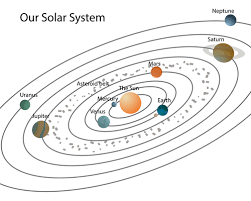
The solar system is a group of objects that interact with one another, the fundamental interaction for each object being the one it has with the sun.
The solar system was formed approximately 4.6 billion years ago by the collapse of a giant molecular cloud. The largest object in the solar system is the _____. You may browse at will by clicking on any of the objects above, or you may take a guided tour by clicking on. The solar system is the gravitationally bound system of the sun and the objects that orbit it, either directly or indirectly. The solar system comprises the sun, all the objects gravitationally bound to it, and the heliosphere, an enormous magnetic bubble enclosing most of the known solar system. << astronomy | the sun >>. Our solar system contains the sun and everything that orbits it. Learn more about asteroids, satellites, comets, and dwarf planets at byju's. The great red spot is visible in the lower left. Visit the planets or dwarf planets pages for more information or browse the various objects of the solar system by clicking the images below. Saturn and uranus also appear in their own respective orbits around the sun. A solar system is a group of heavenly bodies consisting of a star and the planets and other objects orbiting around it. Jupiter, saturn, uranus and neptune are made up of mostly. The solar system consists of the sun, eight planets and their moons, three dwarf planets (including pluto, eris and ceres) and of small bodies called asteroids, comets, etc. Gravitational attraction holds the planets in their jupiter, the fifth planet from the sun and largest planet in the solar system. The solar system includes the sun, the earth (where you are now!) and all of the other planets, asteroids and comets that go around and around it. Our solar system formed about 4.5 billion years ago from a dense cloud of interstellar gas and dust. The solar system was formed approximately 4.6 billion years ago by the collapse of a giant molecular cloud. The study of nonlinear dynamics has revealed a solar system even more intricately structured than newton could have imagined. Observing, exploring, and ultimately understanding our solar system is the first step towards understanding the rest of the universe. Of the objects that orbit the sun directly, the largest are the eight planets. Learn how our solar system formed, how it was discovered and the names of the planets, dwarf planets and regions of space that orbit our sun. Of the solar system's eight planets, mercury, venus, earth and mars are the four planets are made of rock and metal. Our solar system consists of a star we call the sun, the planets mercury, venus, earth, mars, jupiter, saturn, uranus, neptune, and pluto; A _ is a spherical object that orbits the sun, is not the moon of another planet, and has less mass than any of the eight planets. The mass at its centre collected to form the sun and a flat disk of dust around it. The solar system is our local neighborhood in space. The main asteroid belt (not shown) lies between the orbits of mars and jupiter. Our solar system has eight objects classified as planets. Solar system showing the plane of the ecliptic of the earth's orbit around the sun in 3d view showing mercury, venus, earth, mars and jupiter making one full revolution. Solar system earth 1's solar system 2 is comprised of the sun 3 , nine major planets, some 100,000 asteroids larger than 0.6 mi (1 km) in the solar system is much larger, therefore, than the distance to the remotest known (and largest) dwarf planet, eris which orbits the sun at a furthest.
Video The Structure Of The Solar System Nagwa - The Great Red Spot Is Visible In The Lower Left.
1 7 The Structure Of The Solar System Week 1 Geological Time And The Nature Of Science Coursera. The eight official planets, at least three dwarf planets, 130+ satellites and a large number of small bodies. So we learned about the formation of the milky way, which is the galaxy that we live in. But out there are comets, asteroids and more rocky, frozen objects. The solar system is the gravitationally bound system of the sun and the objects that orbit it, either directly or indirectly. But where in that galaxy do we live? Our solar system contains the sun and everything that orbits it. The solar system consists of the sun, eight planets and their moons, three dwarf planets (including pluto, eris and ceres) and of small bodies called asteroids, comets, etc. We live on a planet that orbits a. Te solar system consists of the sun; Of the objects that orbit the sun directly, the largest are the eight planets. The sun, the earth's star, is the largest object in the solar system. Our solar system formed about 4.5 billion years ago from a dense cloud of interstellar gas and dust. Our solar system is a vast place, with lots of mostly empty space between planets. Learn how our solar system formed, how it was discovered and the names of the planets, dwarf planets and regions of space that orbit our sun. Our solar system is a very small part of the universe.
Chapter 11 1 The Structure Of The Solar System : Te Solar System Consists Of The Sun;
Company Structure Solar Powered Water Pump System Off Grid Solar Power System Solar Powered Inverter Mne Technology Co Ltd. The eight official planets, at least three dwarf planets, 130+ satellites and a large number of small bodies. Te solar system consists of the sun; But out there are comets, asteroids and more rocky, frozen objects. We live on a planet that orbits a. The solar system is the gravitationally bound system of the sun and the objects that orbit it, either directly or indirectly. Our solar system formed about 4.5 billion years ago from a dense cloud of interstellar gas and dust. Learn how our solar system formed, how it was discovered and the names of the planets, dwarf planets and regions of space that orbit our sun. Of the objects that orbit the sun directly, the largest are the eight planets. Our solar system contains the sun and everything that orbits it. The solar system consists of the sun, eight planets and their moons, three dwarf planets (including pluto, eris and ceres) and of small bodies called asteroids, comets, etc.
Four Energy Dense Solar Mounting Systems For C I Rooftops Solar Builder : General astronomy > the solar system.
Structure Of The Solar System By Maria. So we learned about the formation of the milky way, which is the galaxy that we live in. Our solar system is a very small part of the universe. But out there are comets, asteroids and more rocky, frozen objects. Of the objects that orbit the sun directly, the largest are the eight planets. Our solar system formed about 4.5 billion years ago from a dense cloud of interstellar gas and dust. The solar system is the gravitationally bound system of the sun and the objects that orbit it, either directly or indirectly. Our solar system is a vast place, with lots of mostly empty space between planets. Learn how our solar system formed, how it was discovered and the names of the planets, dwarf planets and regions of space that orbit our sun. Our solar system contains the sun and everything that orbits it. The eight official planets, at least three dwarf planets, 130+ satellites and a large number of small bodies. Te solar system consists of the sun; But where in that galaxy do we live? The sun, the earth's star, is the largest object in the solar system. We live on a planet that orbits a. The solar system consists of the sun, eight planets and their moons, three dwarf planets (including pluto, eris and ceres) and of small bodies called asteroids, comets, etc.
Chapter 11 1 The Structure Of The Solar System , This Image Is Based On.
China Solar Aluminum W Structure Solar Structure System Solar System China Solar Aluminum W Structure Solar Structure System. The solar system is the gravitationally bound system of the sun and the objects that orbit it, either directly or indirectly. Our solar system contains the sun and everything that orbits it. Our solar system formed about 4.5 billion years ago from a dense cloud of interstellar gas and dust. Our solar system is a very small part of the universe. But out there are comets, asteroids and more rocky, frozen objects. The solar system consists of the sun, eight planets and their moons, three dwarf planets (including pluto, eris and ceres) and of small bodies called asteroids, comets, etc. Our solar system is a vast place, with lots of mostly empty space between planets. The eight official planets, at least three dwarf planets, 130+ satellites and a large number of small bodies. We live on a planet that orbits a. Te solar system consists of the sun; Of the objects that orbit the sun directly, the largest are the eight planets. The sun, the earth's star, is the largest object in the solar system. So we learned about the formation of the milky way, which is the galaxy that we live in. Learn how our solar system formed, how it was discovered and the names of the planets, dwarf planets and regions of space that orbit our sun. But where in that galaxy do we live?
The Fundamental Structure Of The Solar System Download Table : Our System Consists Of The Sun And The Planetary Bodies Orbiting It Such As The Eight (Formerly Nine) Planets, Three Dwarf Planets, About 160 Known Planetary Satellites (Moons).
The Solar System. Learn how our solar system formed, how it was discovered and the names of the planets, dwarf planets and regions of space that orbit our sun. The eight official planets, at least three dwarf planets, 130+ satellites and a large number of small bodies. The solar system is the gravitationally bound system of the sun and the objects that orbit it, either directly or indirectly. Our solar system is a vast place, with lots of mostly empty space between planets. Of the objects that orbit the sun directly, the largest are the eight planets. The sun, the earth's star, is the largest object in the solar system. We live on a planet that orbits a. The solar system consists of the sun, eight planets and their moons, three dwarf planets (including pluto, eris and ceres) and of small bodies called asteroids, comets, etc. Te solar system consists of the sun; Our solar system contains the sun and everything that orbits it. Our solar system is a very small part of the universe. So we learned about the formation of the milky way, which is the galaxy that we live in. But where in that galaxy do we live? But out there are comets, asteroids and more rocky, frozen objects. Our solar system formed about 4.5 billion years ago from a dense cloud of interstellar gas and dust.
Structure Of Solar Power System The Functions Of Each Part Are As Download Scientific Diagram , Saturn And Uranus Also Appear In Their Own Respective Orbits Around The Sun.
Planet Geometric Star On Space Structure Of Solar System Vecto Stock Vector Art More Images Of 2015 Istock. The eight official planets, at least three dwarf planets, 130+ satellites and a large number of small bodies. Learn how our solar system formed, how it was discovered and the names of the planets, dwarf planets and regions of space that orbit our sun. But where in that galaxy do we live? Our solar system is a vast place, with lots of mostly empty space between planets. Te solar system consists of the sun; The solar system consists of the sun, eight planets and their moons, three dwarf planets (including pluto, eris and ceres) and of small bodies called asteroids, comets, etc. We live on a planet that orbits a. Our solar system contains the sun and everything that orbits it. But out there are comets, asteroids and more rocky, frozen objects. Of the objects that orbit the sun directly, the largest are the eight planets. Our solar system formed about 4.5 billion years ago from a dense cloud of interstellar gas and dust. The sun, the earth's star, is the largest object in the solar system. The solar system is the gravitationally bound system of the sun and the objects that orbit it, either directly or indirectly. Our solar system is a very small part of the universe. So we learned about the formation of the milky way, which is the galaxy that we live in.
Company Structure Solar Powered Water Pump System Off Grid Solar Power System Solar Powered Inverter Mne Technology Co Ltd . The Inner Solar System Contains The Sun, Mercury, Venus, Earth And Mars:
Solar System Wikipedia. The solar system is the gravitationally bound system of the sun and the objects that orbit it, either directly or indirectly. The eight official planets, at least three dwarf planets, 130+ satellites and a large number of small bodies. Te solar system consists of the sun; But out there are comets, asteroids and more rocky, frozen objects. Our solar system formed about 4.5 billion years ago from a dense cloud of interstellar gas and dust. The sun, the earth's star, is the largest object in the solar system. Our solar system contains the sun and everything that orbits it. Our solar system is a very small part of the universe. Our solar system is a vast place, with lots of mostly empty space between planets. But where in that galaxy do we live? Learn how our solar system formed, how it was discovered and the names of the planets, dwarf planets and regions of space that orbit our sun. The solar system consists of the sun, eight planets and their moons, three dwarf planets (including pluto, eris and ceres) and of small bodies called asteroids, comets, etc. Of the objects that orbit the sun directly, the largest are the eight planets. So we learned about the formation of the milky way, which is the galaxy that we live in. We live on a planet that orbits a.
How Have The Ideas About The Structure Of The Solar System Changed Since Hundreds Of Years Ago Socratic , The Solar System Was Formed Approximately 4.6 Billion Years Ago By The Collapse Of A Giant Molecular Cloud.
Structure Of The Solar System And The Mechanism Of Planetary Motion In Download Scientific Diagram. The solar system is the gravitationally bound system of the sun and the objects that orbit it, either directly or indirectly. We live on a planet that orbits a. Our solar system is a very small part of the universe. So we learned about the formation of the milky way, which is the galaxy that we live in. But where in that galaxy do we live? Learn how our solar system formed, how it was discovered and the names of the planets, dwarf planets and regions of space that orbit our sun. The sun, the earth's star, is the largest object in the solar system. The eight official planets, at least three dwarf planets, 130+ satellites and a large number of small bodies. Our solar system contains the sun and everything that orbits it. The solar system consists of the sun, eight planets and their moons, three dwarf planets (including pluto, eris and ceres) and of small bodies called asteroids, comets, etc. But out there are comets, asteroids and more rocky, frozen objects. Of the objects that orbit the sun directly, the largest are the eight planets. Our solar system is a vast place, with lots of mostly empty space between planets. Te solar system consists of the sun; Our solar system formed about 4.5 billion years ago from a dense cloud of interstellar gas and dust.
Can We Believe The Solar System Is Like The Atomic Model And May Be As Small As An Atom Relatively When I Look At The Solar System It Looks Like An Atom , Our Solar System Is Made Up Of The Sun And All The Amazing Objects That Travel <Br /> Around It.
Ancient Rings Surrounding The Sun Could Have Divided The Solar System Physics World. The solar system is the gravitationally bound system of the sun and the objects that orbit it, either directly or indirectly. Our solar system formed about 4.5 billion years ago from a dense cloud of interstellar gas and dust. The eight official planets, at least three dwarf planets, 130+ satellites and a large number of small bodies. So we learned about the formation of the milky way, which is the galaxy that we live in. Our solar system is a vast place, with lots of mostly empty space between planets. We live on a planet that orbits a. The sun, the earth's star, is the largest object in the solar system. But out there are comets, asteroids and more rocky, frozen objects. But where in that galaxy do we live? The solar system consists of the sun, eight planets and their moons, three dwarf planets (including pluto, eris and ceres) and of small bodies called asteroids, comets, etc. Learn how our solar system formed, how it was discovered and the names of the planets, dwarf planets and regions of space that orbit our sun. Our solar system contains the sun and everything that orbits it. Our solar system is a very small part of the universe. Of the objects that orbit the sun directly, the largest are the eight planets. Te solar system consists of the sun;
Illustration Structure Solar System Planets Orbits Stock Illustration 24939724 - The Study Of Nonlinear Dynamics Has Revealed A Solar System Even More Intricately Structured Than Newton Could Have Imagined.
The Formation Of The Solar System And The Structure Of The Sun Youtube. The sun, the earth's star, is the largest object in the solar system. But out there are comets, asteroids and more rocky, frozen objects. The solar system is the gravitationally bound system of the sun and the objects that orbit it, either directly or indirectly. Our solar system contains the sun and everything that orbits it. Te solar system consists of the sun; So we learned about the formation of the milky way, which is the galaxy that we live in. The eight official planets, at least three dwarf planets, 130+ satellites and a large number of small bodies. We live on a planet that orbits a. Our solar system is a very small part of the universe. The solar system consists of the sun, eight planets and their moons, three dwarf planets (including pluto, eris and ceres) and of small bodies called asteroids, comets, etc. Our solar system is a vast place, with lots of mostly empty space between planets. Of the objects that orbit the sun directly, the largest are the eight planets. But where in that galaxy do we live? Our solar system formed about 4.5 billion years ago from a dense cloud of interstellar gas and dust. Learn how our solar system formed, how it was discovered and the names of the planets, dwarf planets and regions of space that orbit our sun.